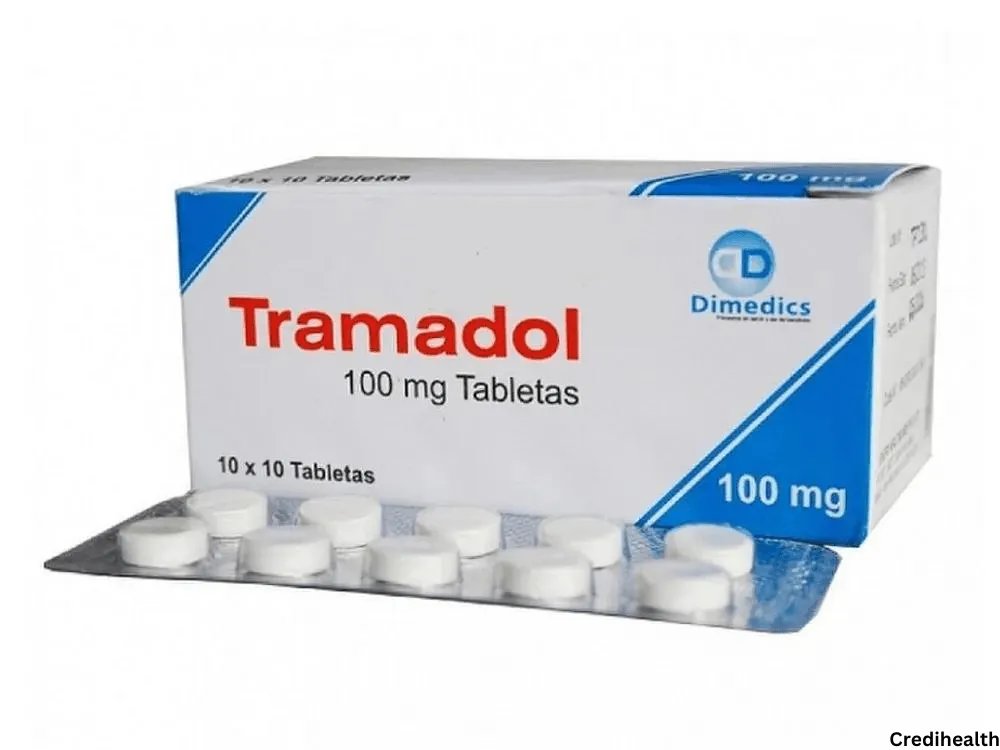
Tramadol is a prescription opioid pain reliever used to manage moderate to moderately severe pain. It may be prescribed for short-term pain following surgery or an injury, as well as certain ongoing painful conditions. Tramadol works by changing how the brain and nervous system process pain signals, which can help reduce the sensation of pain. In some circumstances, a healthcare professional may prescribe it for other medical uses based on an individual’s needs. For more detailed medical information, see the NCBI Bookshelf overview of Tramadol.
Because tramadol can cause tolerance, dependence, and withdrawal symptoms, it should be used only as directed by a qualified healthcare professional. Long-term or unsupervised use may increase the risk of side effects and other complications.
Helps manage moderate to moderately severe pain
Belongs to the opioid analgesic class of medicines
May be prescribed for certain acute, post-surgical, injury-related, or chronic pain conditions
Should be used under appropriate medical supervision
A Pharmacist’s Overview
A qualified healthcare professional can provide a clear explanation of tramadol and how it is used in pain management.
Tramadol is a prescription opioid analgesic used to treat moderate to moderately severe pain. Depending on the patient’s condition, a clinician may consider it for pain associated with an injury, surgery, or certain longer-term conditions. Because tramadol can cause dependence, misuse, and other serious complications, treatment should be based on an individual medical evaluation and followed closely by a healthcare professional.
If you are experiencing ongoing or significant pain, speak with a licensed doctor or pharmacist about appropriate treatment options. They can review your symptoms, medical history, current medicines, and potential risks before recommending tramadol or another pain-management approach. Additional information is available from the NCBI Bookshelf and the FDA.
What Is Tramadol (Ultram)?
Tramadol, also known by the brand name Ultram, is an opioid analgesic prescribed for moderate to moderately severe pain. Unlike ordinary over-the-counter pain relievers, tramadol affects the central nervous system and requires careful medical supervision.
Tramadol is a controlled substance in the United States and is classified as a Schedule IV controlled substance under federal law. The risk of dependence and misuse means that patients should take it only according to their healthcare provider’s instructions.
The medication works through more than one mechanism. It acts on opioid receptors and also affects the activity of certain neurotransmitters involved in pain processing. Because of these effects, tramadol can reduce the intensity of pain, but it can also cause unwanted effects and interactions with other medicines.
How Tramadol Works
Tramadol works within the central nervous system to change how the body perceives and responds to pain. Its active metabolite has activity at opioid receptors, while tramadol itself also affects the reuptake of neurotransmitters such as serotonin and norepinephrine.
This combination of effects contributes to tramadol’s pain-relieving properties. However, the same activity can also contribute to side effects, drug interactions, dependence, and withdrawal symptoms. For this reason, tramadol should not be treated as a routine or risk-free painkiller.
Role of Tramadol in Managing Pain
Tramadol may be considered when a healthcare professional determines that prescription pain treatment is appropriate. It is generally less potent than some stronger opioid medications, although its effects and risks vary considerably between individuals.
For some patients, non-opioid treatments may be preferable depending on the underlying cause of pain. A doctor may consider factors such as the severity and duration of pain, previous treatments, other medications, age, kidney and liver function, and a person’s history of substance use before recommending tramadol.
The goal is not simply to eliminate pain completely, but to reduce pain enough to support daily functioning while keeping treatment risks as low as reasonably possible.
How Long Does Tramadol Stay in Your System?
Tramadol and its metabolites can remain in the body after the noticeable effects of a dose have worn off. How long they remain detectable depends on factors such as the formulation used, dosage, frequency of use, metabolism, age, and kidney or liver function.
Detection times also vary depending on the type of test being used. For personalized information about tramadol and your circumstances, speak with your healthcare provider rather than relying on a general estimate.
Tramadol Price and Savings
The cost of tramadol can vary depending on the dosage form, strength, quantity, pharmacy, insurance coverage, and whether a generic version is available. Generic tramadol is often less expensive than a brand-name product, but actual prices can differ substantially between pharmacies and locations.
If cost is a concern, ask your pharmacist about generic alternatives, insurance coverage, and legitimate prescription-discount programs that may apply to your medication.
Tramadol Forms and Strengths
Common prescription formulations include immediate-release tablets and extended-release products. The appropriate formulation and strength depend on the patient’s condition and the prescriber’s instructions.
Form
Examples of Strengths
Typical Use
Immediate-release tablet
50 mg and other prescribed strengths
Shorter-acting pain management
Extended-release tablet
Various strengths
Selected patients requiring longer-lasting treatment
Extended-release capsule
Various strengths
Selected patients requiring extended-release treatment
Oral solution
Available in some markets
Patients who require a liquid formulation
Availability and approved strengths can vary by country and manufacturer. Always check the specific product information supplied with your prescription.
Medical Uses of Tramadol: When Doctors May Recommend It
Tramadol may be prescribed for moderate to moderately severe pain when a clinician believes that its potential benefits outweigh its risks.
Depending on the individual situation, a physician may consider prescription pain treatment for:
Pain following certain surgical procedures
Pain associated with injuries
Some musculoskeletal conditions
Certain chronic pain conditions
Other situations where a healthcare professional determines that an opioid analgesic is appropriate
The underlying cause of pain is important. Tramadol is not automatically appropriate for every type of pain, and treatment should be reassessed when pain continues or changes.
Tramadol Dosage and How to Use It
The appropriate tramadol dose depends on factors including the patient’s age, medical history, kidney and liver function, other medicines, and the formulation prescribed. There is no single dose that is appropriate for everyone.
Patients should follow the exact instructions on their prescription and medication label. Do not increase the dose, take doses more frequently, or use tramadol for longer than directed.
Extended-release formulations require particular care and should generally be swallowed whole according to the product instructions. Altering certain extended-release products can cause too much medication to be released at once.
Older adults and people with kidney or liver impairment may require different dosing or dosing intervals. A healthcare professional should determine the appropriate regimen.
If tramadol has been used regularly for an extended period, stopping suddenly may cause withdrawal symptoms. A clinician can determine whether a gradual reduction is appropriate.
Possible withdrawal symptoms can include anxiety, restlessness, sweating, nausea, diarrhea, chills, muscle aches, and difficulty sleeping.
Precautions Before Taking Tramadol
Before starting tramadol, tell your doctor about your complete medical history and all prescription medicines, over-the-counter products, and supplements you use.
Extra caution may be necessary if you have:
Breathing or lung problems
Kidney or liver disease
A history of seizures
A history of substance-use problems
Certain mental-health conditions
A head injury or condition that affects the brain
Pregnancy or breastfeeding
Tramadol can interact with other substances and medications. Particular caution is required with alcohol, sedatives, benzodiazepines, other opioids, and certain antidepressants.
Combining opioids with alcohol or other central nervous system depressants can increase the risk of profound sedation and potentially life-threatening breathing problems. Tramadol can also contribute to serotonin syndrome when combined with certain serotonergic medicines.
For detailed safety information, consult the FDA’s tramadol information.
Possible Side Effects
Like other prescription medicines, tramadol can cause side effects. Some are relatively common, while others require urgent medical attention.
Common Side Effects Include
Nausea
Dizziness
Sleepiness
Constipation
Headache
Dry mouth
Sweating
These effects may improve as the body adjusts, but persistent or troublesome symptoms should be discussed with a healthcare professional.
Serious Side Effects Require Prompt Medical Attention
Seek urgent medical help for symptoms such as:
Slow, shallow, or difficult breathing
Extreme sleepiness or difficulty staying awake
Seizures
Severe allergic reactions, including swelling or difficulty breathing
Severe confusion or unusual changes in consciousness
Possible serotonin syndrome, including agitation, fever, sweating, shaking, rapid heartbeat, or muscle stiffness
If someone is unconscious, has severely slowed breathing, or cannot be awakened after taking tramadol, seek emergency medical assistance immediately.
What Are the Signs of Tramadol Dependence or Addiction?
Because tramadol is an opioid, repeated use can lead to physical dependence and, in some people, opioid use disorder.
Potential warning signs include:
Taking the medicine in a way that differs from the prescription
Taking increasingly larger amounts
Strong cravings for the medication
Difficulty reducing or stopping use
Continuing to use it despite harmful consequences
Spending substantial time obtaining or using the medicine
Experiencing withdrawal symptoms when stopping
Continuing use despite problems at work, school, relationships, or home
Tolerance and physical dependence are not exactly the same as addiction, so concerns about tramadol use should be discussed with a healthcare professional.
Getting Help
If you or someone you know is having difficulty controlling tramadol use, professional support can help. Treatment may include medical assessment, behavioral therapy, counseling, and other evidence-based approaches appropriate to the individual.
Do not abruptly stop long-term opioid treatment without medical advice. A healthcare professional can help determine the safest approach.
For information about substance-use treatment and support in the United States, the SAMHSA National Helpline provides confidential assistance and treatment referrals.
Role of Telehealth in Tramadol Treatment
Telehealth allows patients to communicate with licensed healthcare professionals through secure video, telephone, or other approved technologies. Depending on local laws and clinical circumstances, telehealth may be part of an evaluation for pain treatment.
A telehealth appointment does not guarantee that a particular medication will be prescribed. The clinician must determine whether tramadol is medically appropriate after considering symptoms, medical history, current medications, potential interactions, and applicable prescribing requirements.
When appropriate, telehealth can make follow-up care more convenient and may reduce unnecessary travel. However, some conditions require an in-person examination or additional testing before treatment decisions can be made.
How to Safely Obtain Tramadol
Tramadol should be obtained through a legitimate healthcare and pharmacy process. In the United States, this generally means receiving an evaluation from an appropriately licensed prescriber and filling the prescription through a legitimate, state-licensed pharmacy.
A safe process includes:
Schedule a medical evaluation.
Explain your symptoms honestly, including where the pain occurs, how severe it is, how long it has lasted, and how it affects your daily activities.
Review your medical history.
Tell the healthcare professional about existing health conditions, previous reactions to medications, and every prescription, over-the-counter medicine, and supplement you take.
Discuss treatment options.
Your clinician may consider non-opioid treatments or other approaches before recommending an opioid. The appropriate treatment depends on the underlying cause and severity of the pain.
Use the medication exactly as prescribed.
Do not share tramadol with another person, take more than directed, or combine it with alcohol or other medicines without professional advice.
Obtain it from a legitimate pharmacy.
Avoid websites or sellers offering prescription tramadol without appropriate medical evaluation or operating outside normal pharmacy requirements. Counterfeit medicines can contain incorrect ingredients, unexpected drugs, or dangerous amounts of active substances.
Monitor your response to treatment.
Report significant side effects, inadequate pain control, or concerns about dependence to your healthcare provider. Your treatment can then be reassessed safely.
Summing Up
Tramadol is a prescription opioid analgesic that can help manage certain types of moderate to moderately severe pain. However, it also carries important risks, including sedation, respiratory depression, seizures, drug interactions, dependence, and misuse.
The safest approach is to have your pain evaluated by a qualified healthcare professional and use tramadol only when it has been prescribed for you and according to the instructions provided. A licensed pharmacist can also explain how to take the medicine, identify potential interactions, and answer questions about cost or generic alternatives.
For reliable medical information, consult resources such as the National Library of Medicine, the U.S. Food and Drug Administration, and MedlinePlus.
Medical Disclaimer
The information about medications provided on this website is intended for general educational purposes only and should not be considered medical advice or a recommendation for treatment. Listing a medication does not guarantee or imply that it will be prescribed to any individual.
Treatment decisions are made by qualified, licensed healthcare professionals after considering a patient’s symptoms, medical history, current medications, and individual health needs. A healthcare provider may recommend a different medication, dosage, or non-drug treatment when appropriate.
Always consult a qualified healthcare professional before starting, changing, or stopping any medication. For questions about your specific health condition or treatment options, seek personalized medical advice from your doctor or pharmacist.
Sources
The following reputable and informational resources were consulted for information about tramadol, including its uses, safety considerations, regulatory requirements, and medication costs:
MedlinePlus — Tramadol Drug Information: Information about tramadol, including its uses, directions, precautions, side effects, and other important safety considerations.MedlinePlus: Tramadol
U.S. Food and Drug Administration (FDA): Information regarding the unlawful sale of unapproved or misbranded medicines to consumers over the internet and related medication safety concerns.FDA: Inspections and Compliance
Medical News Today — Tramadol Cost Information: General information about tramadol pricing, potential savings, financial assistance, and insurance considerations.Medical News Today: Tramadol Cost
Frequently Asked Questions About Tramadol
1. What Is Tramadol Used For?
Tramadol is a prescription opioid pain reliever used to manage certain types of moderate to moderately severe pain. A healthcare professional determines whether it is appropriate based on the individual’s condition and medical history.
2. Is Tramadol an Opioid?
Yes. Tramadol is an opioid analgesic. It also affects norepinephrine and serotonin pathways, which contributes to its pain-relieving effects.
3. How Does Tramadol Work?
Tramadol works partly by binding to opioid receptors and partly by changing the activity of certain neurotransmitters involved in how the body processes pain.
4. How Long Does Tramadol Take to Work?
Immediate-release tramadol generally begins working within about an hour, although the timing can vary depending on the formulation and individual factors.
5. How Long Does Tramadol Last?
The duration of pain relief varies according to the formulation, prescribed dose, metabolism, and individual response. Extended-release products are designed to provide longer-lasting effects than immediate-release formulations.
6. How Long Does Tramadol Stay in Your System?
Tramadol and its metabolites can remain in the body for several days. The exact timeframe depends on factors such as kidney and liver function, dosage, frequency of use, and individual metabolism.
7. What Are the Common Side Effects of Tramadol?
Common side effects may include nausea, dizziness, constipation, headache, drowsiness, and vomiting. Contact a healthcare professional if side effects are persistent or concerning.
8. Can Tramadol Cause Addiction or Dependence?
Yes. Tramadol can cause physical dependence and has misuse and addiction potential. Taking it exactly as prescribed and following up with a healthcare professional can help reduce risks.
9. Can Tramadol Cause Withdrawal Symptoms?
Yes. Stopping tramadol suddenly after regular use can cause withdrawal symptoms. A healthcare professional may recommend gradually reducing the dose rather than stopping abruptly.
10. Can You Drink Alcohol While Taking Tramadol?
Alcohol can increase tramadol-related sedation and other serious risks, including potentially dangerous breathing problems. It is important to discuss alcohol use with your healthcare professional.
11. Can Tramadol Be Taken With Other Medications?
Tramadol can interact with many medicines, including certain antidepressants, sedatives, and other medications that affect the central nervous system. Tell your healthcare professional about all medicines and supplements you take.
12. Is Tramadol Used for Nerve Pain?
Tramadol may sometimes be considered for certain pain conditions involving nerve-related symptoms, but its suitability depends on the individual diagnosis and treatment plan.
13. What Is the Difference Between Tramadol IR and ER?
Immediate-release (IR) tramadol is designed to release the medication relatively quickly, while extended-release (ER) formulations release it over a longer period. They are not interchangeable unless specifically directed by a healthcare professional.
14. What Happens If I Miss a Dose of Tramadol?
Follow the instructions provided with your prescription. In general, a missed dose should not be replaced by taking extra medication unless your healthcare professional specifically tells you to do so.
15. Can Tramadol Make You Sleepy?
Yes. Drowsiness, dizziness, and reduced alertness can occur. Avoid driving or operating machinery until you know how tramadol affects you.
16. Can Tramadol Cause Seizures?
Tramadol can increase the risk of seizures, particularly in people with certain medical conditions or when combined with specific medications. Seek medical advice if you have concerns about your individual risk.
17. Is Tramadol Safe for Long-Term Use?
Long-term use requires careful medical supervision because of risks including tolerance, dependence, misuse, and other adverse effects. Your healthcare professional can determine whether continued treatment is appropriate.
18. Who Should Not Take Tramadol?
Tramadol may not be appropriate for everyone. Certain medical conditions, medications, allergies, age-related factors, and pregnancy or breastfeeding considerations can affect whether it is suitable.
19. What Precautions Should Be Taken With Tramadol?
Use tramadol only as directed by your healthcare professional. Discuss your medical history, current medications, alcohol or sedative use, and any history of substance-use problems before starting treatment.
20. How Can Tramadol Be Obtained Safely?
Tramadol is a prescription medication. The safest approach is to discuss your symptoms with a qualified healthcare professional and, when appropriate, have the prescription filled through a licensed pharmacy.