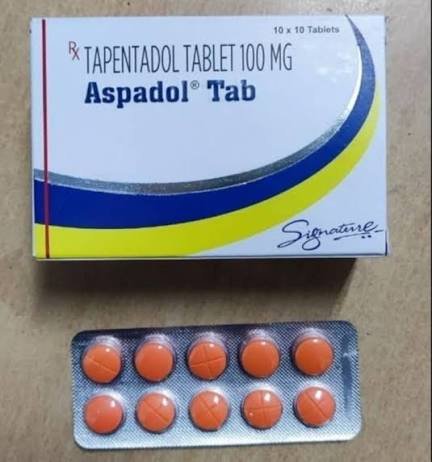
What Is Tapentadol (Aspadol)?
Tapentadol, commonly known by the brand name Nucynta in the United States, is a prescription opioid analgesic used to manage certain types of moderate to severe pain. Depending on the formulation and the patient’s medical condition, a healthcare professional may prescribe it for acute pain or selected persistent pain conditions.
Tapentadol has a dual mechanism of action. It activates opioid receptors involved in pain processing and also affects norepinephrine reuptake in the central nervous system. These combined effects change how the brain and nervous system process pain signals. More information about tapentadol’s approved uses and safety profile is available through MedlinePlus and DailyMed.
Because tapentadol is an opioid and controlled substance, it should only be used under the direction of an appropriately qualified healthcare professional.
How Tapentadol Works
Tapentadol works through two main pathways. It acts on opioid receptors in the central nervous system to reduce the perception of pain and also affects norepinephrine reuptake, which contributes to the way pain signals are processed.
This dual activity contributes to its analgesic effects. However, tapentadol can also cause opioid-related adverse effects, including dizziness, drowsiness, constipation, respiratory depression, tolerance, and physical dependence.
The response to treatment varies from person to person. Your healthcare provider can determine whether tapentadol is appropriate based on your medical history, pain condition, other medications, and potential risk factors.
Common Forms
Tapentadol is available in different formulations, with the appropriate form depending on the type and duration of pain being treated.
Immediate-Release (IR): Used for certain acute pain conditions according to a healthcare professional’s instructions.
Extended-Release (ER): Designed for selected patients who require around-the-clock treatment for certain persistent pain conditions. It is not intended to be used on an as-needed basis.
Extended-release tablets require particular care and should be taken exactly as directed. Do not crush, chew, or break an extended-release tablet unless the product information specifically states that it is safe to do so.
Tapentadol also carries risks of misuse, abuse, addiction, and physical dependence. For this reason, treatment requires appropriate prescribing and medical monitoring.
History of Tapentadol
Tapentadol was developed as a centrally acting analgesic with two complementary mechanisms: opioid-receptor activity and norepinephrine-reuptake inhibition.
The U.S. Food and Drug Administration approved immediate-release tapentadol in 2008 for certain acute pain indications. An extended-release formulation was later approved for selected chronic pain indications.
In the United States, tapentadol is classified as a Schedule II controlled substance because of its potential for abuse and dependence. Regulatory classifications and approved uses may differ in other countries.
For current regulatory information, refer to the U.S. Drug Enforcement Administration and FDA.
Important Safety Information
Tapentadol can cause serious and potentially life-threatening complications, particularly when it is taken incorrectly or combined with other substances that affect the central nervous system.
Respiratory depression: Opioids can slow breathing, especially when taken in excessive amounts or combined with other central nervous system depressants.
Alcohol and sedative interactions: Combining tapentadol with alcohol, benzodiazepines, sleeping medicines, or other sedating substances can increase the risk of severe sedation and breathing problems.
Serotonin-related interactions: Certain medicines that affect serotonin may interact with tapentadol and contribute to serious reactions.
Dependence and withdrawal: Repeated use can result in physical dependence. Stopping suddenly after ongoing treatment may cause withdrawal symptoms.
Misuse and overdose: Taking more than prescribed or altering an extended-release formulation can increase the risk of overdose and other serious complications.
For detailed medication safety information, see the FDA prescribing information.
Legal and Safe Steps for Obtaining Tapentadol
Tapentadol is a controlled prescription medication and should be obtained through a legitimate healthcare provider and appropriately licensed pharmacy. Requirements can vary according to local laws and individual medical circumstances.
Step 1: Consult a Licensed Healthcare Provider
Start with an evaluation by a qualified healthcare professional who is authorized to prescribe controlled medications in your jurisdiction. Explain your symptoms, the severity and duration of your pain, previous treatments, and relevant medical history.
Step 2: Complete a Medical Evaluation
Your healthcare provider may review your medical history, current medications, allergies, kidney and liver function, and other factors that could affect the safety of opioid treatment.
Step 3: Discuss Treatment Options
If tapentadol is considered appropriate, your healthcare provider can explain its expected benefits, potential risks, dosing instructions, and available alternatives. Depending on your condition, non-opioid approaches may also be considered.
Step 4: Fill the Prescription Through a Licensed Pharmacy
If a prescription is issued, obtain the medication through a legitimate pharmacy that follows applicable controlled-substance requirements. Avoid websites offering controlled medications without a valid prescription or appropriate medical evaluation. The FDA’s BeSafeRx program provides guidance for identifying potentially unsafe online pharmacies.
Step 5: Follow Up With Your Healthcare Provider
Take tapentadol exactly as prescribed and attend recommended follow-up appointments. Report significant side effects, inadequate pain control, or concerns about dependence or withdrawal to your healthcare provider.
Step 6: Check Local Requirements
If you live outside the United States, controlled-substance regulations, prescribing requirements, pharmacy rules, and import restrictions may be different. Always check the requirements that apply in your country.
Frequently Asked Questions About Tapentadol (Aspadol)
What Is Tapentadol (Aspadol) Used For?
Tapentadol is a prescription opioid pain medicine used to treat certain types of moderate to severe pain. Depending on the formulation and the patient’s condition, a healthcare professional may prescribe it for acute pain or selected persistent pain conditions.
Is Tapentadol Stronger Than Tramadol?
Tapentadol and tramadol are both opioid medications, but they work differently and should not be compared simply by saying one is “stronger.” Their effects depend on the dose, formulation, individual response, and medical condition. A healthcare professional can determine which treatment is appropriate for a particular patient.
How Long Does Tapentadol Take to Work?
Immediate-release tapentadol generally begins to provide pain relief relatively soon after a dose, although the exact timing varies between individuals. Factors such as the prescribed dose, metabolism, other medicines, and the person’s health can affect how quickly it takes effect.
How Long Does Tapentadol Last?
The duration depends on the formulation. Immediate-release and extended-release products have different dosing schedules and are intended for different treatment situations. Follow the instructions on your prescription rather than taking additional doses because the pain returns.
What Are the Side Effects of Tapentadol?
Common side effects may include nausea, dizziness, drowsiness, constipation, headache, dry mouth, and fatigue. More serious problems, including severe sleepiness or breathing difficulties, require prompt medical attention.
Can Tapentadol Cause Addiction?
Yes. Tapentadol is an opioid and can cause misuse, addiction, tolerance, and physical dependence. The risk can increase with prolonged use, higher doses, or taking the medicine differently from how it was prescribed. Use it only under appropriate medical supervision.
Is Tapentadol an Opioid?
Yes. Tapentadol is an opioid analgesic. It works partly through opioid receptors and also affects norepinephrine activity in the central nervous system, contributing to its pain-relieving effects.
How Should I Take Tapentadol?
Take tapentadol exactly as prescribed by your healthcare professional. Do not increase the dose, take it more frequently, or change the treatment schedule without medical advice. Extended-release tablets should be handled according to the specific product instructions.
What Is the Difference Between Tapentadol IR and ER?
Immediate-release (IR) tapentadol is intended for certain acute pain situations and releases the medicine more quickly. Extended-release (ER) tapentadol is formulated to provide longer-lasting medication exposure and is prescribed for selected patients who require continuous pain management. The two formulations should not be substituted for one another without medical guidance.
Can I Drink Alcohol While Taking Tapentadol?
Alcohol should generally be avoided while taking tapentadol. Alcohol can increase the sedating effects of opioids and may raise the risk of severe drowsiness, impaired coordination, respiratory depression, and other serious complications.
Can Tapentadol Be Taken With Other Medications?
Tapentadol can interact with other medicines, including certain antidepressants, sedatives, benzodiazepines, sleeping medicines, and other opioids. Tell your healthcare provider about every prescription medicine, over-the-counter product, and supplement you take before starting treatment.
Does Tapentadol Work for Nerve Pain?
Tapentadol has effects on both opioid receptors and norepinephrine pathways, which may make it useful for certain pain conditions involving nerve-related mechanisms. Whether it is appropriate depends on the specific diagnosis and the individual patient’s treatment history.
Is Tapentadol Safe for Long-Term Use?
Long-term opioid treatment requires careful medical supervision. A healthcare professional should regularly review pain control, side effects, functional improvement, and the potential for tolerance or dependence to determine whether continuing treatment remains appropriate.
What Happens If I Miss a Dose of Tapentadol?
If you miss a dose, follow the instructions provided with your prescription or medication guide. Do not take extra medication to compensate for a missed dose. If you are unsure what to do, ask your pharmacist or healthcare provider.
Can Tapentadol Cause Withdrawal Symptoms?
Yes. Physical dependence can develop with repeated use, and withdrawal symptoms may occur if treatment is stopped suddenly. Symptoms can include anxiety, restlessness, sweating, sleep difficulties, nausea, and muscle aches. If you have been taking tapentadol regularly, speak with your healthcare provider before stopping it.
How Long Does Tapentadol Stay in Your System?
The amount of time tapentadol remains in the body varies between individuals. Factors such as dosage, frequency of use, metabolism, age, and kidney or liver function can influence elimination. Detection times can also vary depending on the type of test used.
Can Tapentadol Make You Sleepy?
Yes. Drowsiness and dizziness can occur with tapentadol. Until you know how the medicine affects you, avoid driving, operating machinery, or doing activities that require full alertness.
Is Tapentadol Stronger Than Oxycodone?
Tapentadol and oxycodone are different opioid medications with different pharmacological properties. Comparing them simply as “stronger” or “weaker” can be misleading because their effects depend on the dose, formulation, patient, and clinical situation. A healthcare professional should determine the appropriate medication and dose.
What Should I Avoid While Taking Tapentadol?
Avoid alcohol and do not use recreational drugs or other sedating medicines unless your healthcare provider has specifically advised that they are safe. Never increase your dose or combine tapentadol with another opioid without medical guidance.
Can Tapentadol Cause Seizures?
Seizures have been reported with tapentadol, although they are uncommon. The risk may be greater in people with a history of seizures or when tapentadol is combined with certain medicines that can lower the seizure threshold. Tell your healthcare provider about any history of seizures before treatment.
For additional information, readers can consult the FDA’s medication safety information, MedlinePlus, and DailyMed.